Russian attack on Ukraine: overnight airstrikes, damage to power plants, and implications
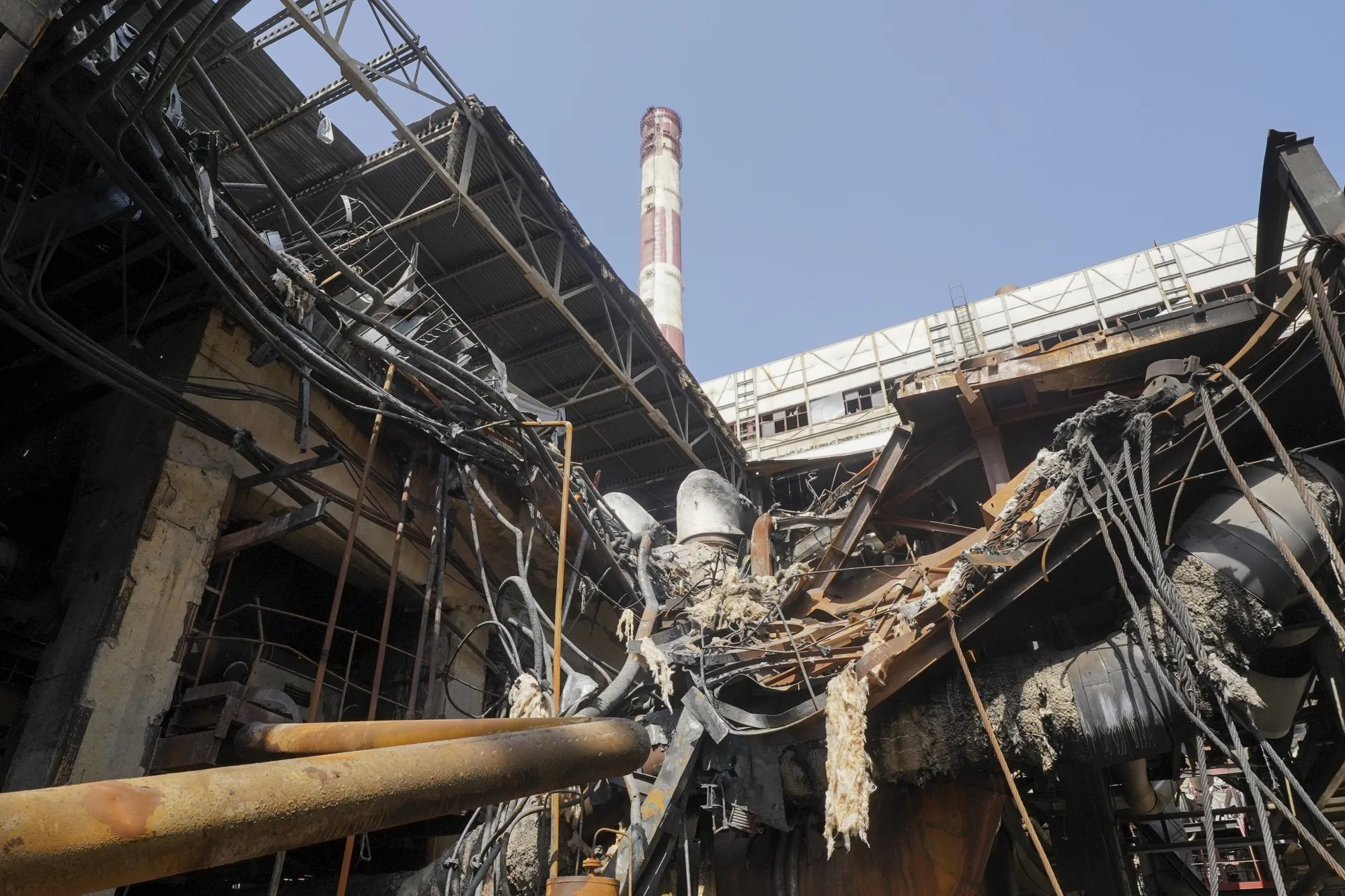
As part of an ongoing effort to weaken Ukraine’s energy grid and put pressure on the nation as winter draws near, Russian forces launched a new round of air and drone strikes overnight that destroyed Ukraine’s infrastructure and killed civilians in multiple areas. At least five people were killed nationwide during the chaotic night of attacks, according to officials, and the most recent strike severely damaged a thermal power plant and injured workers.
Overnight event: Russian attack on Ukraine
International reporting and Ukrainian authorities say a massive Russian aerial attack hit several targets throughout Ukraine overnight. One of Ukraine’s thermal power plants suffered significant damage, which was the most notable effect; according to electricity operator DTEK, two plant employees were hurt during the strike. According to officials, the attack was a component of a larger Russian plan to target energy infrastructure before winter arrives.
At least five people were reportedly killed in various regions during the overnight bombardment, according to Ukrainian and international news sources, who also reported civilian casualties from related strikes on towns and residential buildings. Local emergency personnel were observed removing debris from damaged residences and apartment complexes.
Overnight, Ukrainian officials and President Volodymyr Zelenskyy reported a very high tempo of incoming weapons, including swarms of attack drones, cruise missiles, and ballistic missiles. According to Ukrainian statements, air defences were heavily engaged and hundreds of drones were launched in the last few days. The scope of the attack and the burden it places on Ukraine’s air defences and civil emergency services were highlighted in the coverage of the event, though independent counts differ by source and location.


Targets and tactics during the Russian attack on Ukraine: why energy?
Attacks on Ukraine’s heating and energy infrastructure have been a common Russian strategy since the beginning of the full-scale invasion in 2022, particularly as the winter months draw near. Damage to power plants, substations, and gas facilities has a disproportionately negative humanitarian impact: the loss of electricity, heat, and water pumping can significantly increase civilian suffering and force hospitals, schools, and shelters to make difficult decisions.
This pattern applies to thermal plant damage that occurs overnight. In addition to trying to exhaust Ukrainian air defence systems by launching several attacks at once, analysts say Moscow wants to lower morale and make life more difficult on the home front by complicating logistics on the front lines.
defences and reactions during the Russian attack on Ukraine
Ukrainian air defences are still in place and, according to numerous reports, are quite successful. According to officials, during recent waves of attacks, they jammed or intercepted a sizable portion of incoming drones and missiles. One report, for instance, stated that on a specific night, Ukrainian forces had jammed or intercepted most of a sizable incoming drone formation, highlighting the strength and vulnerability of Kyiv’s defences against coordinated attacks. The attacks are expensive, though, because even with high interception rates, those that manage to get through can do a lot of harm.
A tit-for-tat dynamic in which both sides target facilities that support the other’s military and economic stamina has been highlighted by Ukraine’s retaliatory long-range raids on Russian energy and logistical infrastructure. This mutual escalation maintains the threat to both rear zones and frontlines.


Humanitarian effects and civilian casualties following Russian attack on Ukraine
These overnight strikes exacerbate a wider humanitarian situation in addition to the immediate deaths and injuries. In addition to disrupting hospital services and making life in both urban and rural areas dangerously cold and uncertain, damage to a thermal power plant can cut off heating and hot water to thousands of homes. Recurrent strikes can overwhelm local capacity and make winter preparation more difficult, even though local authorities frequently set up emergency warming centres and supply water and blankets.
Health services and humanitarian organisations are especially worried about the cumulative effect, as each attack leaves more people without access to dependable power or heat, putting the elderly, children, and people with chronic illnesses at greater risk.
Russian attack on Ukraine as a strategic signal
Russia uses massive overnight air and drone strike campaigns for a number of strategic objectives, including to depress civilian morale, force Ukraine to reallocate its air defence resources, and impose economic and social costs on the country. The strikes serve as a reminder to Ukraine and its allies of the war’s enduring nature as well as the pressing need for strong air defence assistance, resilient civil infrastructure, and international humanitarian aid before winter arrives.
The international response has been along the same lines: sanctions pressure on Russia, renewed calls for air defence system shipments, and condemnations from Western capitals. Additionally, Ukrainian leaders have urged allies to expedite the delivery of defensive systems capable of thwarting large-scale drone and missile attacks.
Next things to watch
- Power restoration and repairs — how outages are handled locally and whether the damaged thermal plant can be promptly repaired. As temperatures drop, prompt restoration will be essential for civilian resilience.
- Performance and supply of air defence — whether air defence systems from the West are deployed more adaptably or arrive sooner to lessen the impact of large-scale drone attacks.
- Risks of escalation— whether tit-for-tat attacks spread to deeper reaches into Russian territory or new target types, potentially expanding the geographic scope of the conflict.
- Humanitarian reaction — the scope and promptness of global assistance, warming centres, and emergency services to stop civilian deaths during the winter.


In conclusion
The Russian attack on Ukraine over night, which included deadly hits on populated areas and strikes on energy infrastructure, is just another tragic development in a conflict that keeps evolving and getting more intense.
Human lives have been lost, workers have been hurt, and thousands may not have access to power or heat. The longer-term effects hinge on Ukraine’s capacity to fix and fortify its vital infrastructure prior to winter, as well as on whether international partners can expedite the delivery of aid and air defences. As of right now, the trend is evident: drone and aerial attacks continue to be a crucial and risky component of the campaign, and their death toll will increase unless preventative measures and diplomatic pressure alter the equation.