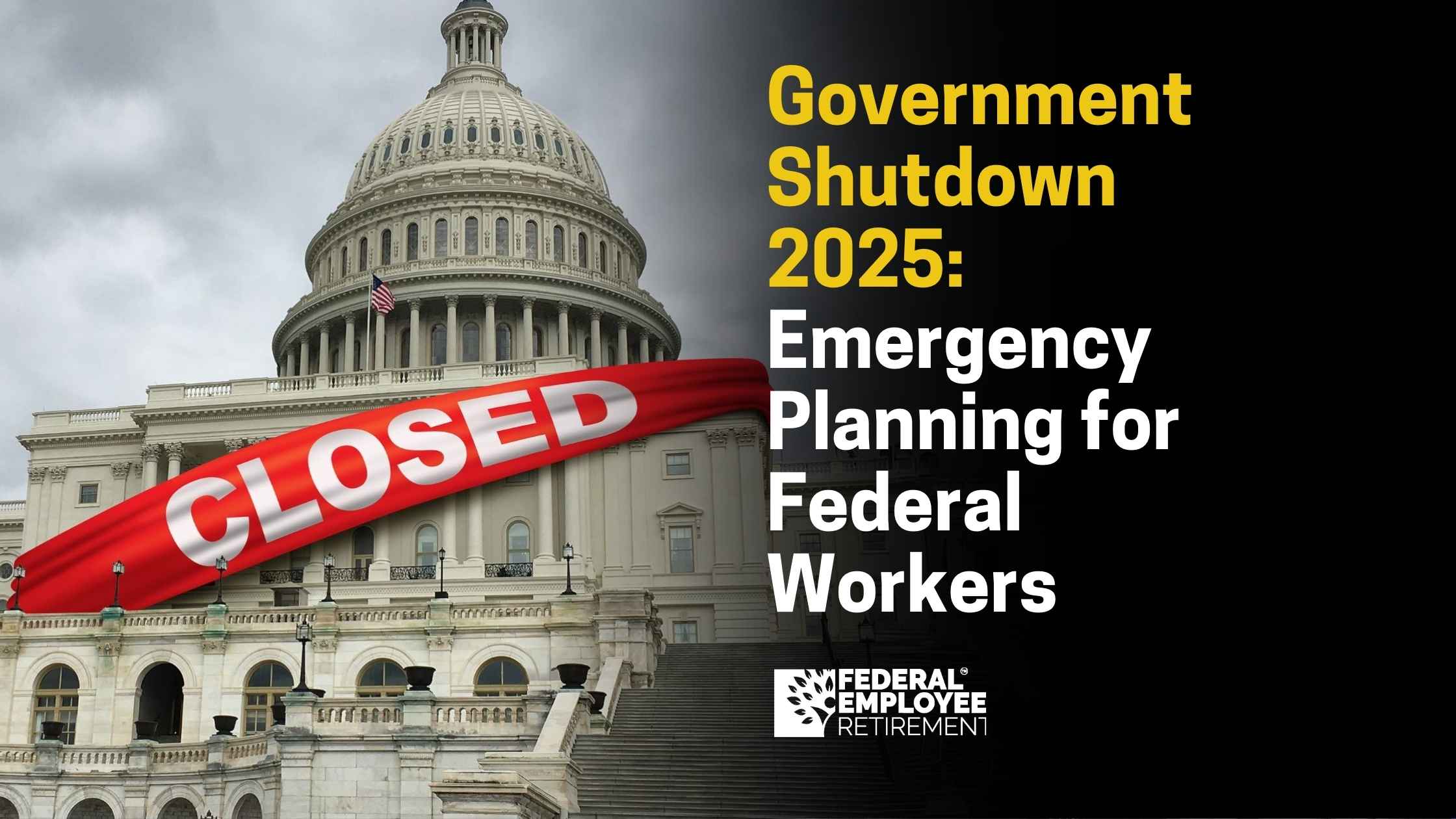
President Trump’s government shutdown and a growing impasse
The United States’ federal government began its third week of shutdown, highlighting a high-stakes political standoff centred on partisan demands, health care subsidies, and President Donald Trump’s direct involvement.
Trump declared on October 21, 2025, that he would not meet with leading Democratic congressional leaders until the government was reopened. The impasse was further prolonged when the Democratic caucus in the Senate blocked the 12th GOP attempt to reopen government funds in a crucial vote. The impasse was further prolonged when the Democratic caucus in the Senate blocked the 12th GOP attempt to reopen government funds in a crucial vote.
Analysts observing Washington’s manoeuvres are aware that this shutdown is already on track to rank among the longest in modern history.
Trump’s plan: turn the government shutdown into a weapon
Selective funding and payments to protect some favoured constituencies while others suffer the most from the funding lapse seem to be an unusual strategy being used by President Trump. For example:
- Because the administration redirected other funds to cover their salaries, law enforcement officers, border patrol employees, and military personnel are still paid.
- On the other hand, there is a two-tier workforce since many federal office employees and support staff are either unpaid or on furlough.
maintain pressure on political opponents while compromising relief for the main Trump-allied organisations. However, both federal employees and economists are alarmed by the complicated execution.


Repercussions of the nationwide government shutdown
- As federal nutrition programs like SNAP face delays, the state government of California announced a $80 million special fund and the deployment of the National Guard to support food-bank operations.
- As a temporary measure to help farmers during harvest season, the US Department of Agriculture (USDA) reopened about 2,100 farm-service offices to allow access to $3 billion in existing aid.
- Long-term investment initiatives that were supported by Trump’s own tax breaks are in jeopardy due to delays and layoffs at the Community Development Financial Institutions Fund.
- Employee morale is being put to the test. Trust and continuity are being shattered by furloughs, selective pay, and the implication that some employees are more “essential” than others.
The public and political theatre blame the government shutdown.
In a move seen by Democrats as a “pep rally” in the midst of the crisis, President Trump hosted a happy lunch with Senate Republicans at the White House Rose Garden.
From the perspective of public opinion, the harm is getting worse. While both parties share some of the blame for the shutdown, independents are more inclined to point the finger at Trump or the Republican Congress than Democratic lawmakers.


The government shutdown’s increasing economic cost
According to economic modelling, every extra week of shutdown reduces annualised GDP growth by about 0.1 to 0.15 percentage points in the short run. The longer the impasse lasts, the more profoundly it affects consumer behaviour, investment, and confidence.
Sectors that depend on federal loans, permits, or assistance are also suffering. More structural harm could result from the combination of delayed contracts and furloughed workers than from a brief lapse.
What is the final outcome? Government shutdown
- Trump is adhering to a demand: Negotiate after the government is open.
- Democrats are not giving up: They maintain that extensions of health insurance subsidies or other provisions must be included in any bill to open government.
- The cost: The longer the shutdown continues, the more probable it is that Trump’s own supporters—farmers, areas under federal contracts, and rural communities—will start to feel the effects and rebel. “No matter how these programs are labelled … the cuts that are happening hurt everyone,” according to one article.


Why the government shutdown is important
- Credibility of governance: The public loses faith in the government when it is unable to finance itself.
- Political manoeuvring: Trump is trying a risky strategy called leverage-through-shutdown, which may or may not work out.
- Economic ramifications: Uncertainty and delayed spending harm growth prospects, employee morale, and investment.
- Fairness and equity: Fairness, morale, and institutional integrity are all called into question by the selective payment of federal employees.
- Risk to constituencies: The harm may soon be felt by farmers and rural communities, not just Trump’s supporters.