With food stamp payments in jeopardy, millions of people face hunger.
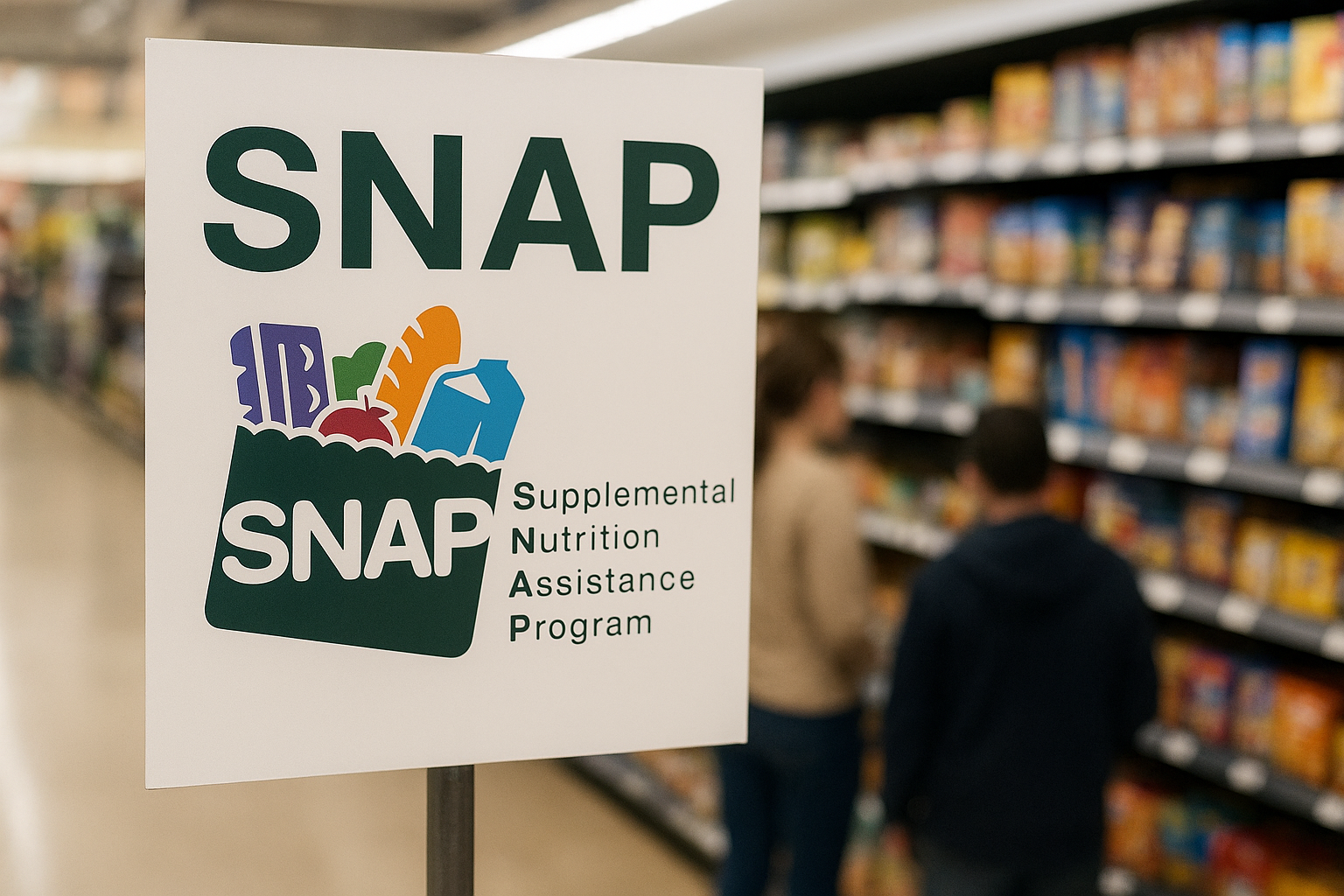
Although the term “food stamps” has a long history in the United States, it is currently making headlines for all the wrong reasons. A severe financial crisis is plaguing the Supplemental Nutrition Assistance Program (SNAP), which provides groceries to millions of Americans. Seven essential facts to comprehend this impending emergency are listed below.
1. SNAP food stamps are used by more than 42 million Americans.
More than 42 million people use SNAP benefits to buy food every month, according to recent reports.
That implies that if benefits were to cease, almost 1 in 8 Americans would be directly impacted.
This scale emphasizes that any disruption poses a national risk rather than being a niche issue.


2. November Food Stamp Payments Are at Risk Due to Funding Gap
SNAP funding was scheduled to expire on November 1st unless Congress took action due to the ongoing federal government shutdown.
According to one news source:
- “The nation’s largest food assistance program will cease to provide benefits on November 1st.”
Alarms are already being raised by states, warning that households might not receive their regular monthly payments.
3. Food Banks Prepare for an Increase in Food Stamps
Hunger relief groups and food banks are bracing for significant pressure. More people will seek emergency food assistance if SNAP benefits are threatened.
Numerous states have already declared emergencies or released reserve funds to assist, according to one report.
Food banks are helpful, but they aren’t designed to meet this kind of sustained need.


4. Policy Changes Are Already Making It Harder for Millions of People to Get Food Stamps
In addition to a funding freeze, SNAP is undergoing structural adjustments. Millions fewer people will probably be eligible or enrolled as a result of a law signed in July 2025 that increases work requirements and other restrictions. Even when benefits resume, fewer people may be eligible due to these policy changes, and administrative workloads may rise.
5. Encouragement to Limit Who Can Purchase Food Stamps
The federal government has authorized state-level waivers to restrict the purchase of soda, energy drinks, or candy with SNAP benefits in an effort to improve nutrition outcomes and reduce costs.
The first state to implement such a ban is Nebraska. Critics fear that this makes recipients more complicated and stigmatized.


6. The Economics: SNAP Is Not Just Food Stamps for Safety Net
According to research, SNAP benefits have a variety of uses, including stabilizing low-income families, boosting local grocery markets, and lowering food insecurity.
As a result, when SNAP is discontinued, local communities that depend on benefit spending may experience economic shocks, health risks, and higher food prices.
7. What Takes Place Next? Federal Intervention Is Essential for Food Stamps
Congress must take action, either by authorizing SNAP through contingency funds, funding the government, or passing targeted relief, in order to prevent a complete disruption of food stamps. The administration was recently ordered to use a contingency fund for SNAP payments.
Millions of Americans face hunger if nothing is done.


The Significance of This for the Global Food Stamp System
Despite being a U.S. program, SNAP touches on a number of larger issues, including poverty, social safety nets, and how the most vulnerable are helped—or not—during emergencies. Programs like SNAP act as a buffer against inflation, job instability, and economic uncertainty. Society as a whole suffers when they fail: emergency expenses rise, more diet-related illnesses are seen in hospitals, and more children experience food insecurity in schools.
There is currently a perfect storm for food access in the United States due to a combination of funding lapse, policy changes, and a push for stricter purchase rules.