The True History of Daylight Saving Time and Why We Continue to Adjust the Clocks
We are all familiar with the twice-yearly custom of moving clocks forward (spring forward) or backward (fall back), but Daylight Saving Time (DST) has many unintended consequences for public policy, society, and health. These five unexpected effects, complete with news-style commentary and analysis, might surprise you.


1. Daylight saving time Gained or lost an hour, but at what price?
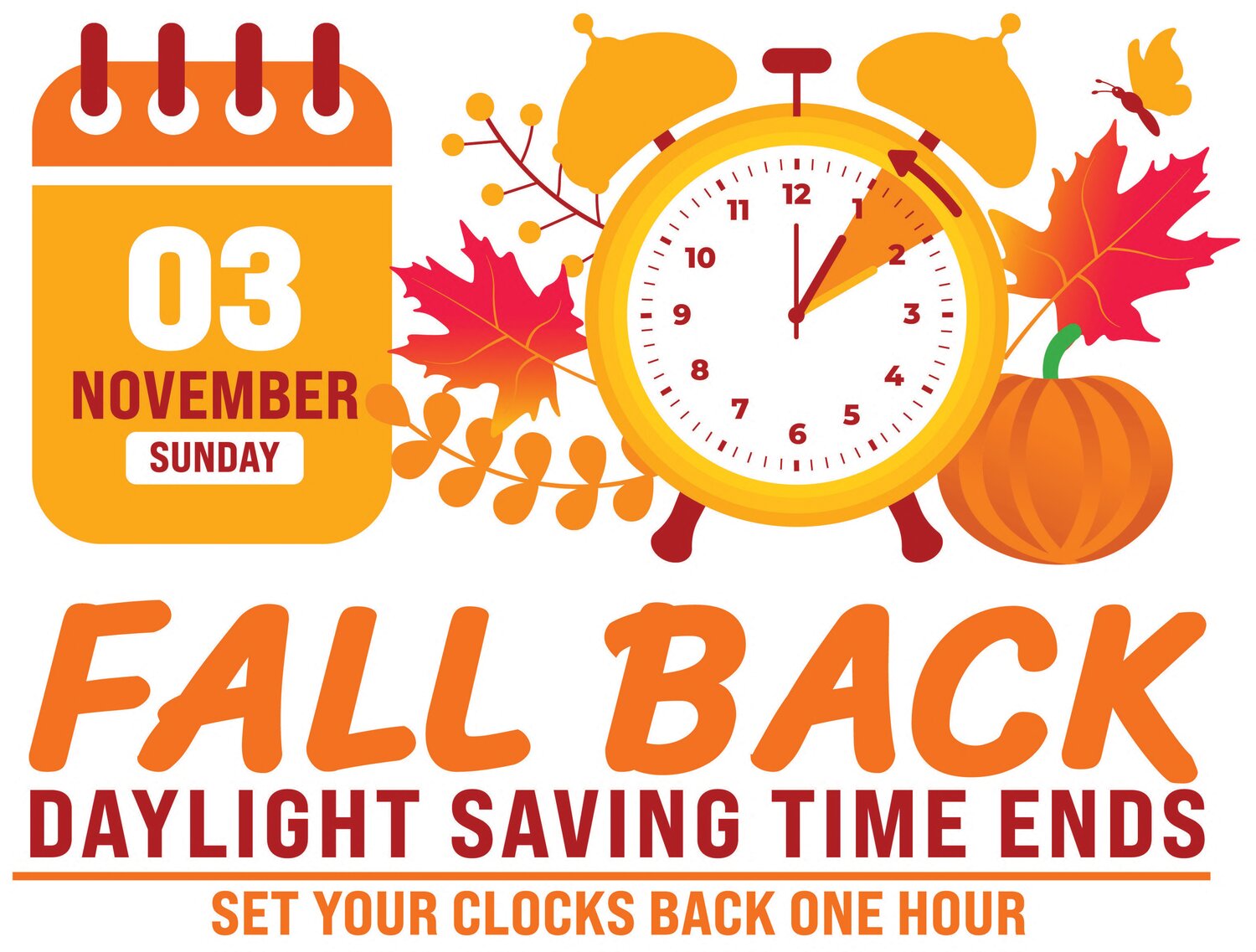
Many people celebrate getting more evening daylight (when “springing forward”) or an additional hour of sleep (when “falling back”) when the clocks change. However, the truth is more nuanced. Clocks go back one hour on Sunday, November 2, 2025, when Daylight saving time ends at 2 a.m. local time, according to recent timing for the United States.
Even seemingly minor changes can cause this shift to throw off the body’s circadian rhythm, according to research.
Even though the hour seems innocuous, your body frequently thinks otherwise.
2. Around the time change to daylight saving time, health risks increase.
The clock change may pose serious health risks in addition to being inconvenient. According to a recent review, there are correlations between time shifts and higher risks of heart attacks, strokes, accidents, and other negative outcomes.
For example, people may experience sleep disturbances, drowsiness, and decreased alertness in the days immediately following the shift.
An expert in circadian biology states bluntly in one article: “It’s just a bad policy that goes on.” There might be science behind it if you’ve ever felt out of sync after a time change.


3. Daylight saving time has an adverse effect on mood and mental health.
Daylight saving time has an impact on mental and emotional health in addition to physical health. Fatigue, a lowered mood, and trouble focusing can be caused by the sudden time change and the change in daylight timing.
Abrupt changes in light exposure can cause mood swings because daylight and darkness control hormones like melatonin and serotonin.
Therefore, the shift may have a subtle impact on your daily emotional state even if you don’t experience any severe symptoms.
4. The drive to eliminate bi-annual switches and public policy
The Daylight saving time controversy is intensifying. Experts and lawmakers are increasingly debating whether or not we should cease changing the clocks twice a year. For instance, according to an article, only about 40% of Americans support DST, which is a historic low.
According to a different article, removing the clock change could stop hundreds of thousands of strokes and cases of obesity, according to a large modeling study.
The switch is evolving into a policy battleground and is no longer merely a custom.
5. The initial justification isn’t always valid.
Daylight saving time was first implemented in the past to “make better use of daylight,” conserve energy, and increase evening activity.
However, recent data challenges that. According to some reviews, the timing changes might not fit with our current work/leisure patterns, and the energy savings are either insignificant or offset by other expenses.
We keep turning back the clock, even though things that once made sense might no longer make sense.


What you can do (particularly if you’re a world citizen)
- Make a plan: Depending on whether you’re “falling back” or “springing forward,” go to bed about fifteen minutes earlier or later a few days prior to the change.
- Exposure to light is important: Try to get some natural light in the mornings and less artificial light and screen time in the evenings. Your circadian rhythm will benefit from this.
- When driving or performing tasks, pay attention: Time changes have been linked in studies to an increase in accidents. If you’re feeling sleepy, stay away from strenuous or dangerous tasks.
- Raise awareness: Keep yourself updated and involved if you live in an area where DST policy is being considered changing. Your area might be involved in the ongoing discussion.
Global relevance
Even though India does not observe this twice-yearly clock shift, the DST controversy is still relevant globally:
- Multinational firms, digital services, and travel agencies must adjust to changing time zones and schedules.
- The health and well-being of international workers are impacted by schedule changes brought on by overseas projects.
- Policy lessons from regions that do not observe DST may impact future decisions in other countries.
Therefore, whether you’re in India, Europe, or North America, awareness is crucial.
Daylight Saving Time may seem like a simple, one-hour mechanical adjustment, but as we’ve seen, its effects extend well beyond clock resets. The effects are extensive and important to understand, ranging from productivity and policy to health and mood. You’re not alone if you’re wondering why we continue to do this; there is growing support for reforming or doing away with the practice.